
Industrial robotics and robots have become important innovations and efficiency engines in today’s fast-changing manufacturing environment. The integration of industrial robots into manufacturing processes has transformed manufacturing, bringing many benefits to companies seeking to increase productivity, quality, and competitiveness. Manufacturing robots play an important part in the future of manufacturing as the demands for automation continue to grow.
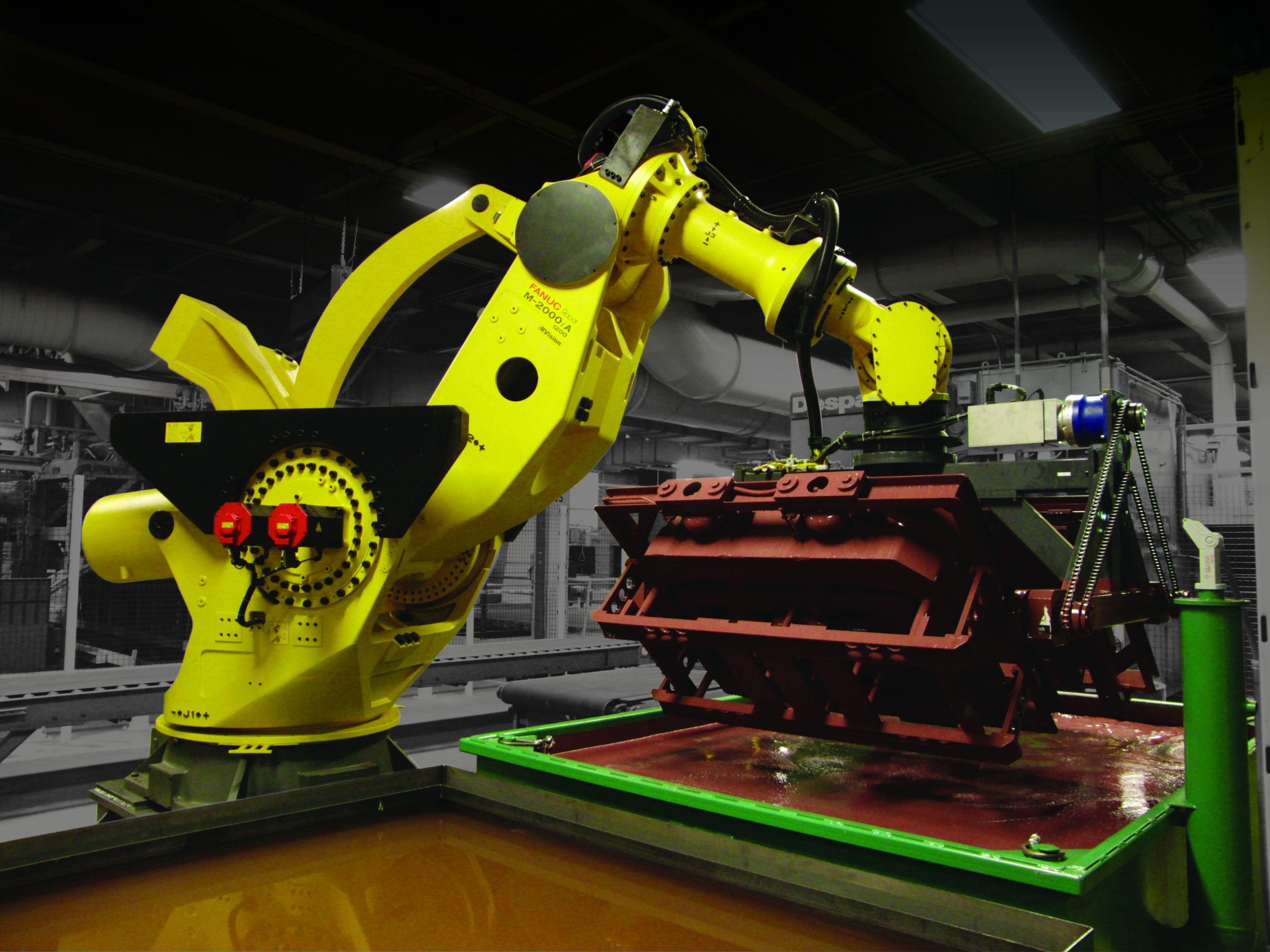
Industrial robots are also known as manufacturing robots. They are designed specifically for machines that can perform a variety of tasks within the manufacturing process. These tasks can include welding or painting, assembly picking and placing, packaging and much other things. Industrial robotics, which is the area of research and applications of these robots concentrates on improving effectiveness and precision in manufacturing operations.
Automated Solutions Australia, a company that specializes in design of industrial robots to provide flexible solutions for manufacturing customers, is at the forefront. The manufacturing robots manufactured by ASA are dedicated to helping clients gain a competitive edge in the marketplace by increasing efficiency and quality. ASA industrial robotic solutions are sought-after by companies in a range of industries, such as automotive, electronics and pharmaceuticals.
The advantages of implementing industrial robots in manufacturing are numerous. One of the most significant benefits is the substantial increase in efficiency and productivity. Industrial robots can perform repetitive tasks with precision and consistency, leading to greater output rates and lower cycles. This increases productivity overall and allows businesses to easily respond to consumer demands.
Furthermore, industrial robots aid in quality control throughout manufacturing processes. By executing tasks with accuracy and reliability, these robotics reduce the risk of error leading to better quality products. This, in turn, enhances customer satisfaction as well as bolsters the credibility of a company’s brand for providing premium quality products.
In addition to their efficiency and quality, industrial robots also have cost-saving benefits. While the initial investment in manufacturing robots may seem substantial, the long-term cost savings are significant. Businesses can lower operational costs by streamlining processes and reducing manual labor. Industrial robots are able to work 24 hours a day, which maximizes the use of resources, while reducing costs of production per unit.
Another major benefit of industrial robots can be their impact on workplace environment. They create low levels of noise, creating a quieter environment that is more relaxing for employees. Additionally, their precision and speed make for creating a safer work environment in reducing the likelihood of injuries and accidents associated by manual work.
Industrial robots’ integration plays an important role in the creation of jobs as well as the future work. While there may be concerns regarding automation’s impact on human workers however, the reality is that industrial robots provide new possibilities to work. This includes roles in robotic programming, maintenance, oversight and supervision, in addition to the development of innovative technology to aid in the production of robots.
The manufacturing industry is continuing to recognize the benefits of industrial robots, businesses across all sectors are reaping the benefits of this transformative technology. Industrial robotics with its ability to improve effectiveness, efficiency, and quality is reshaping how manufacturing processes are conducted.
In conclusion, the emergence of industrial robotics represents fundamental shifts in the manufacturing industry. The integration of these cutting-edge technologies allows businesses to achieve new levels of efficiency and precision, as well as competitiveness and efficiency. With the need for automation solutions increases, industrial robots are poised to play an integral part in determining the future of manufacturing, spurring innovation, and propelling businesses to be successful in the global marketplace.