
Septic tanks are an essential element in the management of wastewater in properties that aren’t connected municipal sewer networks. Owners of properties have two choices for selecting the appropriate tank for their septic system: concrete or precast. Both options offer unique benefits and drawbacks, and knowing the differences between these two will assist property owners in making well-informed decisions about sustainable wastewater management.
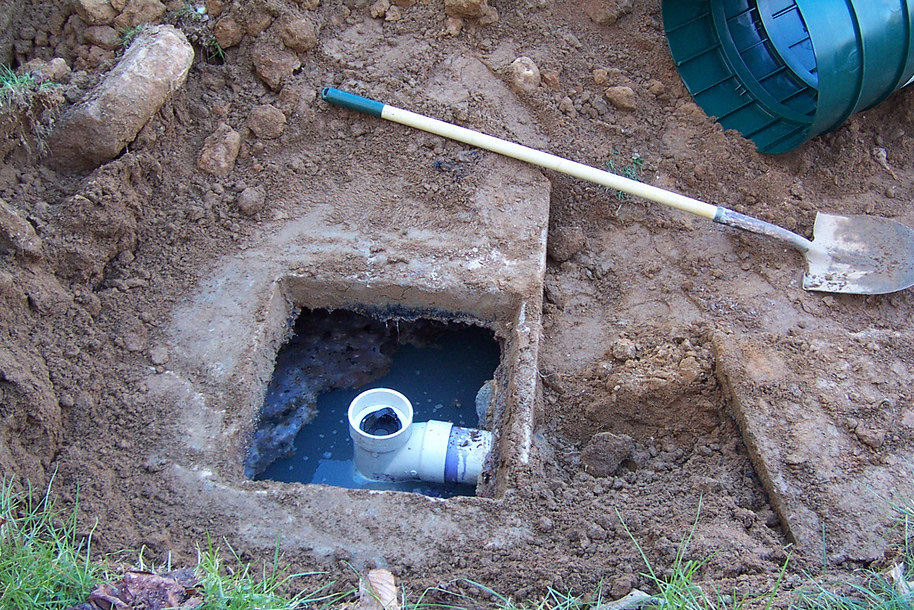
Septic tanks are underground chambers that collect as well as treat waste from commercial and residential properties. They are a vital part of the process of wastewater treatment which allows the safe disposal of effluent while protecting the health of the public and the environment.
Concrete vs. Precast Septic Tanks Which is the Best for You?
Concrete septic tanks have always been popular due to their durability and longevity. Constructed on-site using poured concrete These tanks are recognized for their strength and capacity to withstand the test of time. However, the installation process for concrete tanks can be labor-intensive and time-consuming.
Precast septic systems are made on-site, and then delivered to the property, ready to be installed. The tanks are constructed in controlled environments, ensuring the same quality and structural integrity. Precast tanks are easy to install and have lower labor costs.
For property owners considering upgrading or replacing their existing septic tanks, precast options offer several compelling advantages. The process of manufacturing is controlled, which ensures that precast tanks meet strict quality standards, ensuring peace of mind for homeowners. The efficient installation process reduces the timeframe for projects and reduces disturbance to property. For more information, click Concrete septic tanks near me
How to maintain your concrete septic tanks for long-term durability
Concrete septic tanks are known for their durability, proper maintenance is essential to ensure their long-term durability. Regular inspections and maintenance is essential to prevent problems such as structural damage and clogging. Property owners should pay attention to the materials and chemicals that are introduced to the septic system in order to avoid damage.
Precast septic tanks are designed using environmental concerns in mind. The tanks are manufactured by using sustainable practices, which reduce energy and waste consumption. The durability and long-lasting nature of the precast tank can help reduce their environmental impact over their entire life.
When considering septic tank installation homeowners should consider their individual needs and property features. Concrete or precast tanks can be affected by soil type, the size of the property, and local laws. A consultation with experienced experts can help property owners make well-informed decisions based upon their specific requirements.
The Role of Septic Tanks in Sustainable Wastewater Management
Septic tanks are a crucial component of sustainable wastewater management. They offer a means to process and dispose of household effluent. Septic tanks that are properly maintained contribute to protecting the surface waters and groundwater and also preserving the local ecosystems.
It is essential to select the appropriate size septic system in order to prevent over-stressing the system, and ensure a successful treatment of wastewater. Factors like the size of the property, water usage, and the number of residents need to be taken into account when deciding the right size tank. A proper sizing decision is essential for the efficient treatment and disposal of wastewater.
Modern manufacturing techniques employed in the creation of precast septic tank solutions produce solid, high-quality solutions for effective wastewater treatment. These tanks have been constructed to meet strict industry standards. They provide property owners with an easy-to-maintain solution for wastewater treatment.
Regular maintenance is crucial for septic tank systems to perform optimally and last for as long as is possible. Property owners should adhere to the suggested maintenance schedules. This includes inspection of the system, monitoring it, and pumping. By making maintenance a priority, homeowners can avoid costly repairs and maintain the functioning of their septic system.
The design of the Septic tank is an important element of a sustainable waste management. If you decide to go with concrete or precast options, the system should be designed to fit the particular requirements of the building and ensure an efficient treatment and disposal of wastewater. Professional design services and installation can assist homeowners in creating septic systems that are reliable and efficient.
The Environmental and Economic Impact of Upgrading To A Precast Septic Tank System
Precast septic tanks that are upgraded can be beneficial for the environment and property owners. Precast tanks help reduce the costs of installation and time, which could save property owners money. Precast tanks can also help in sustainable wastewater treatment processes due to their environmental benefits.
It is important to note that selecting the most suitable septic tank for your property could be a difficult choice. If you decide to go with concrete or precast, property owners must consider the durability of the system, its efficiency, long-term maintenance, and environmental impact. Making informed choices will aid property owners in ensuring the effectiveness of their septic system and longevity for a long time.