
Temu and Shein are among the most well-known and affordable online-based companies. They have gained attention because of their rapid growth in the field, and for offering budget-friendly products. However, as with any comparison, it’s important to delve deeper into the intricate details of their business models to truly understand whether Temu is similar to Shein or if both are distinct competitors in the world of e-commerce. For more information, click Shein vs Temu
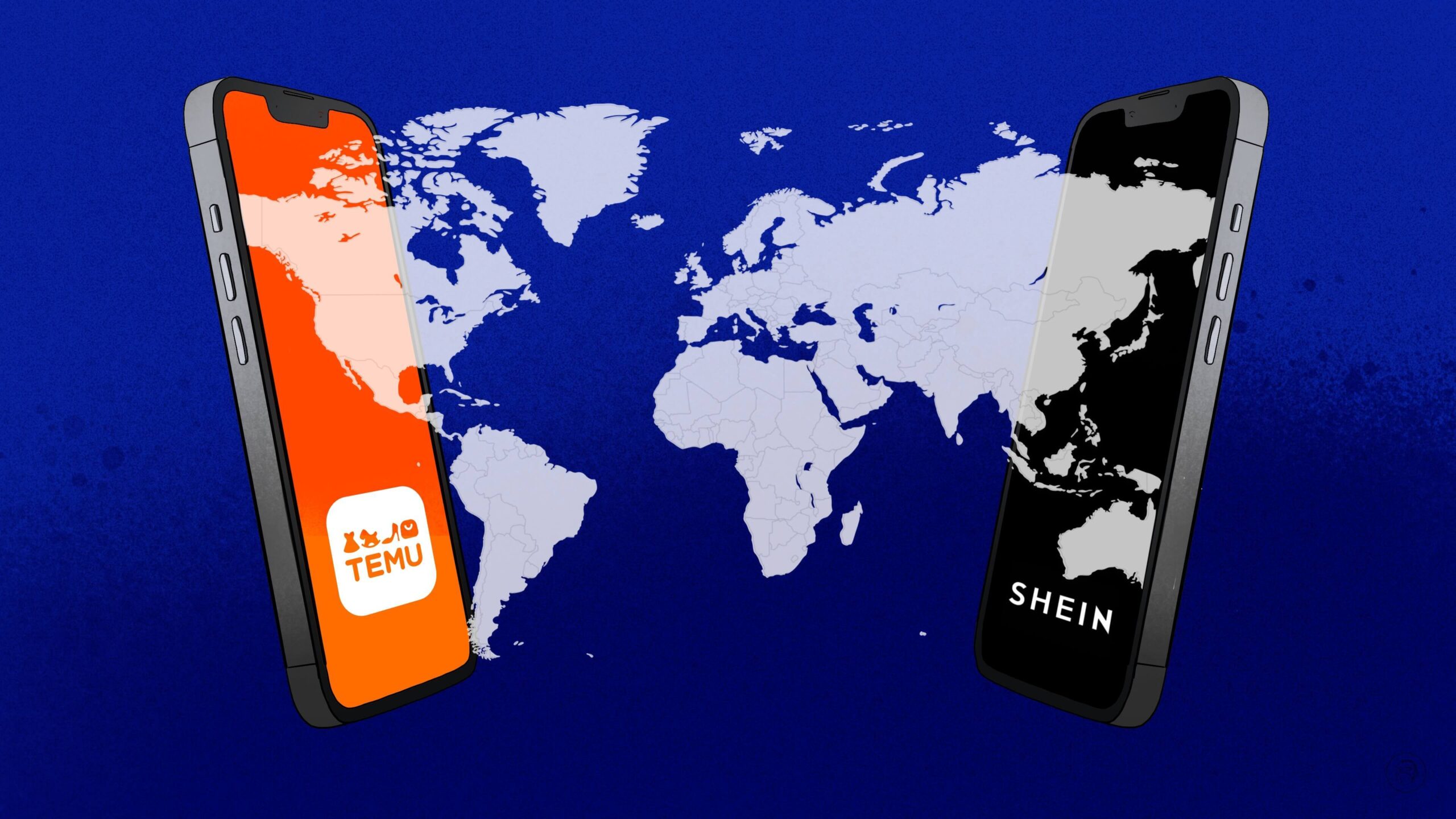
The rising of Shein and the rise of temu
The meteoric rise of Temu has certainly drawn parallels with Shein’s amazing story. Both companies have seen exponential growth and are drawing budget-conscious consumers. Their attraction lies in the low-cost of their products, allowing consumers to stay fashionable and not break the bank. This has caused many to wonder What is the real difference between Temu and Shein constructed from the same material?
Differences and similarities
Temu’s and Shein’s products are comparable in that both have affordable costs, but they’re not identical. Temu’s Next-Gen Manufacturing Model is unique in the sense that it can provide significant savings across a variety of product categories. The model employs cutting-edge manufacturing techniques that streamline manufacturing processes, ultimately cutting the cost of overheads and transferring the benefits to the customers.
Shein, on the other hand, has been regarded as a fast-fashion brand, which focuses on clothes and accessories. Shein’s appeal is the fact that it stays on the latest fashions and has a wide range of styles to fit diverse tastes. Shein has managed to create a niche by the focus being on fashion, accessories and beauty.
Business models in the spotlight
Temu’s Next-Gen Manufacturing model deserves a closer look. By using advanced technology such as automated manufacturing, data analytics and AI-driven data, Temu optimizes its manufacturing and supply chain processes. They can maintain the quality of their products and cut costs for production. In the end, Temu offers a range of products at competitive prices across a variety of categories, ranging from electronic gadgets to household products. This differentiates them from Shein that focuses its efforts primarily around fashion and its derivatives.
Although Shein indeed covers a wide spectrum of fashion trends, its business model relies on the constant updating of its inventory to keep up with changing fashion trends. This is a time-consuming process that requires quick design manufacturing, production and distribution cycles. This strategy has undoubtedly led to its increasing popularity especially with younger customers who are looking for fashionable pieces at affordable cost.
Ownership is important
One question asked is if Shein is the proprietor of Temu. However, this isn’t the case. In spite of any superficial similarities or comparisons, Temu and Shein are distinct entities that have distinct ownership structures. Temu is its own e-commerce platform, and focuses on its manufacturing process. Shein is a separate brand that offers a fashionable and trendy product.
Takeaway
It’s easy to draw parallels between businesses with a similar development plans in the turbulent ocean of ecommerce. The stories of Shein and Temu show that, despite their similarities they have significant differences. The different ways they approach production, business and focusing on the market show their distinctness.
Temu’s Next-Gen Manufacturing is an excellent example of the latest in technology and innovation for the e-commerce sector. Temu uses technology to optimize its processes. This doesn’t just lower costs, but also increases accessibility to a broad range of product categories. Shein’s commitment to fashion and its rapid product turnover, on the contrary, firmly establishes Shein as a pioneer in the online fashion retail sector.
Temu and Shein are two companies catering to buyers who are budget-conscious. But the world of ecommerce is very different. Both businesses cater to consumers who are price-conscious, but their business models, strategies and areas of expertise vary greatly. Temu’s manufacturing expertise and Shein quick-fashion style show that there is a variety within the ecosystem. We, as shoppers and online enthusiasts, appreciate the uniqueness each of these platforms brings to the table and continue exploring the ever-expanding world of online shopping.