
The hum of an electric furnace during a cold evening is a source of happiness for many homeowners. Most of the time, the oil tank, the largely unnoticed person behind the warmth – goes unnoticed until a potential issue occurs. But proactive maintenance, like oil tank replacement, is crucial for your home’s safety and efficiency. We’ll guide you through the costs for replacing the oil tank and assist you in making an informed choice on this vital investment for your home.
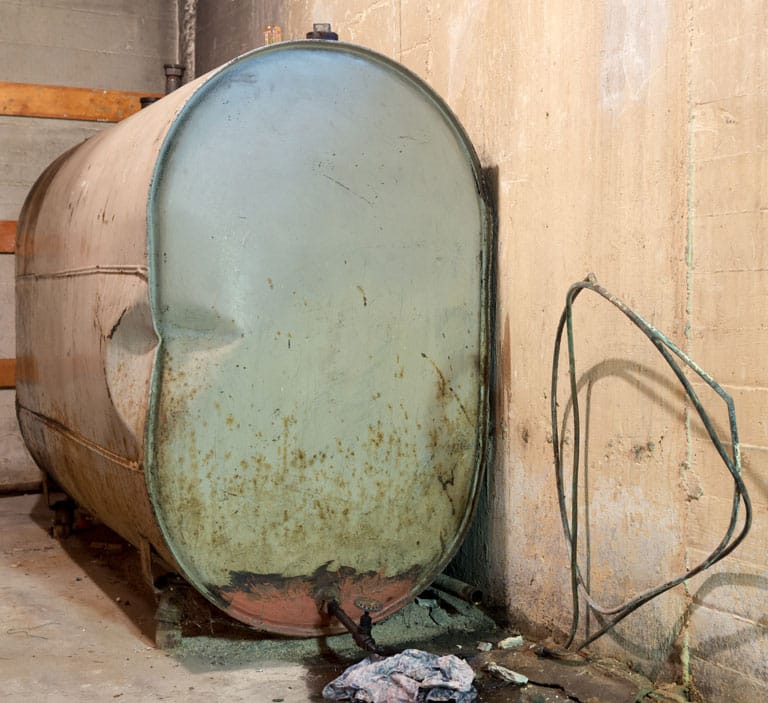
Oil Tank Maintenance is Important: Prevention is the key to success.
Many homeowners overlook the significance of oil tank service. In reality, a well-functioning oil tank is essential for your home’s infrastructure. As responsible owners of property taking care to ensure that your heating system and oil storage tank function properly and safely is essential. A leak of oil that may seem insignificant now can become an immense environmental and financial burden in the future.
Understanding Average Costs: A 275 Gallon Case Study
The power of knowledge is paramount, particularly when budgeting for home maintenance projects. This article will examine the costs to replace a 275 gallon oil tank. This is a common size used for heating systems in residential homes. In states such as Massachusetts, New Hampshire, Rhode Island, and Connecticut the average cost is approximately $3,600. Be aware that the cost quoted assumes that the replacement is easy in a basement, or outside location that has no access problems.
Oil Tank Replacement It’s not only about cost.
Although the cost of replacing your oil tank may initially seem expensive but it’s an investment in your home’s safety and security in the long run. Here’s why:
Safety First: Aging oil tanks can develop leaks which can lead to fire hazards and a risk of environmental contamination. Removing your tank will eliminate this risk, ensuring security for both you and your family.
Maximum Efficiency: Over time older oil tanks could be less efficient and will require frequent oil deliveries to keep the heat. Tanks that are newer operate at maximum efficiency, which could reduce heating expenses in the long run.
Have Peace of Mind Enjoy Peace of Mind: A new tank will provide many years of reliable service and eliminate the anxiety of unexpected breakdowns or leaks in harsh winter months.
Factors affecting Oil Tank Replacement Costs
As a base an average cost of $3600 for the replacement 275-gallon fuel tank is a good way to start. There are a myriad of variables that can influence the final price:
Tank size: It is obvious that larger tanks cost more to replace.
The location of the tank It’s more costly to remove and replace a tank which is under ground than a tank situated in a crawlspace that is easily accessible or basement.
If you own an area that is difficult to access due to surrounding structures or an area that is tight the cost of labor will be higher.
Disposal of the Old Tank: Proper disposal of the old tank frequently incurs additional fees.
Budgeting for Tanks to Replace Oil and planning for the future of Your Home
Oil tanks usually have a lifespan of 15 to 30 years, depending on various factors. By knowing the approximate age of your tank, you can prepare for a replacement tank in case problems arise. It is recommended to schedule a professional inspection to evaluate the condition of your existing tank and then receive a more precise estimate of a possible replacement.
Making a commitment to your home’s safety and sustainability
It’s more than just keeping warm and comfortable; replacing your oil tank is an investment in the environment. Older tanks may cause leaks and contamination of soil and groundwater. Modern oil tanks comply with stricter environmental standards that reduce the risk of damage to the environment and guarantees an environmentally responsible storage.
Power is Knowledge: Take Control of Your Home’s Well-being
Make educated choices regarding the home maintenance you perform by knowing the costs involved in changing an oil tank. If you prioritize proactive replacement of your tank, you ensure a safe efficient, effective, and eco-friendly heating system for many years to in the future. Be prepared by an oil tank malfunction during the peak of winter. Set a budget and plan for this home maintenance project to ensure you stay warm and cozy during the coldest winter months.