
Emergency medical services (EMS) is a vital and noble profession, offers an exciting job that revolves around saving lives and providing crucial medical care. It’s a field that has tremendous growth potential and the demand is high for qualified professionals. This article will guide you through each step needed to become an EMT or paramedic. We’ll also discuss the various training options available including the approved by the DSHS EMS course.
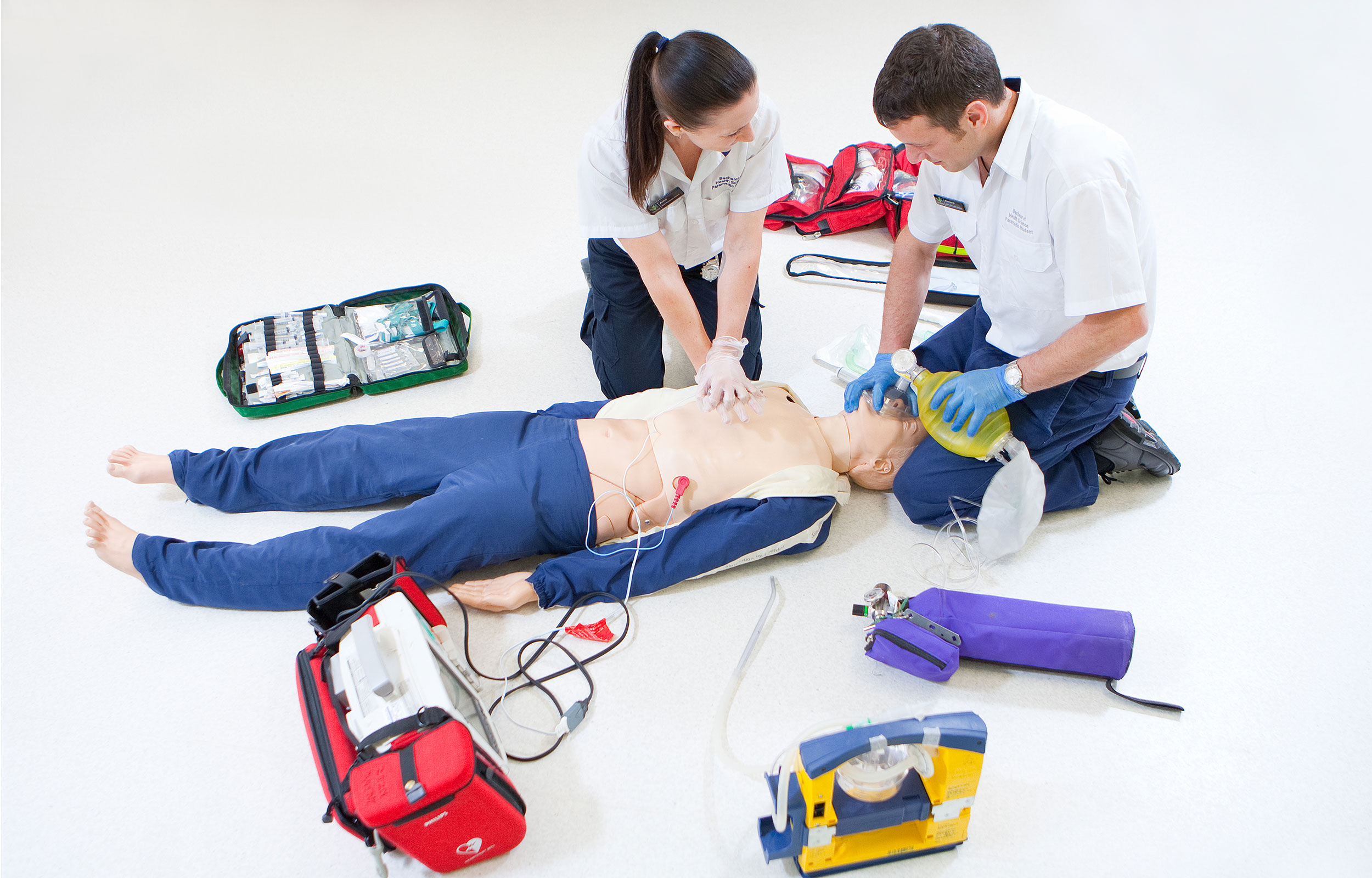
Understanding the function of EMTs & Paramedics
Emergency Medical Technicians (EMTs) and paramedics are first responders who provide medical treatment immediately in the event of an emergency. They are trained to assess and provide treatment to patients, and transport them to medical facilities to receive additional treatment. EMTs, paramedics as well as other medical professionals, play a vital role in stabilizing a patient during a critical moment taking quick choices, and providing caring care to those suffering from distress.
Step 1: Becoming EMT
To be an EMT To become an EMT, you must finish the necessary educational and training courses that can differ based on the level of certification you want to attain. There are three levels to EMT Certification are offered:
1. EMT-Basic: This certification is an entry-level certification and requires 100 to 150 training hours. EMT-Bs are certified to provide medical basics such as CPR, bleeding control, as well as basic airway management.
2. EMT Intermediate (EMT I): EMT I requires further training, and this can vary by state. In certain areas, this level is merged with EMT-B. In others, it involves around 200 to 400 hours of instruction, including expanded medical skills and intravenous therapy.
3. EMT-Paramedic: This is by far the highest degree of EMT certification. It requires intense training that spans between 1,000 to 1,800 hours. Paramedics are highly skilled in the most advanced medical procedures, which include the administration of medications as well as interpreting EKGs and advanced airway management.
Step 2: Requiring Paramedic Certification
To become a paramedic, you first need to pass the EMTB or EMTI levels and then gain some practical experience. After that, you can apply for a paramedic certification program, which typically takes between one and two years to complete. During the comprehensive training you’ll study the latest medical subjects. You’ll also gain the skills and knowledge required to tackle critical scenarios.
Step 3. Examining EMT Training Options:
When you’re looking for EMT training, there are many options depending on the degree of certification you want to attain. Community medical trade schools and colleges usually offer EMT training for all certification levels. These programs integrate classroom instruction with hands-on experience in clinical and field settings.
If you are looking for a complete and thorough EMT program that can lead to a degree from a university or college They may also provide EMT training on the EMT-Paramedic levels. These courses provide an thorough understanding of emergency medical services, and offer the user a greater understanding of medical decision-making and care for patients.
Step 4: Ensure that DSHS-approved EMS training
If you’re an aspiring EMT or paramedic, it is vital that the program chosen by you be DSHS-approved. The Department of State Health Services (DSHS) approves EMS training courses to ensure that they meet high requirements for education and competency. By enrolling in a DSHS approved EMS training course, you can rest assured that you are receiving top-notch instruction and meeting the necessary requirements for certification.
EMTs and paramedics are highly respected careers. As first emergency responders, EMTs and paramedics play an essential role in saving lives and offering urgent medical attention in emergency situations. In order to embark on this life-saving adventure, prospective EMTs and paramedics have to complete the necessary training and education programs. The EMT certification program can be completed at an institution of higher learning, a medical trade school, or university, depending on the degree of certification that is desired.
When considering choices for training, it is essential to ensure that the chosen EMS training program is DSHS certified by DSHS. This will ensure that you are receiving a quality education that is up to the standards required for EMT certification as well as paramedic certification.
As the need for qualified emergency medical professionals grows, EMS provides a wealth of career opportunities as well the chance to impact the lives of others. If you are an EMT Basic or would like to become a paramedic, your commitment to the field of critical care will reward you with an enjoyable and fulfilling career in emergency services.