
When it comes to maintaining a septic system, understanding the associated costs is essential. Understanding the costs that could be incurred can aid you in budgeting efficiently and avoid any unpleasant surprises. There are various factors that contribute to the septic tank replacement cost.
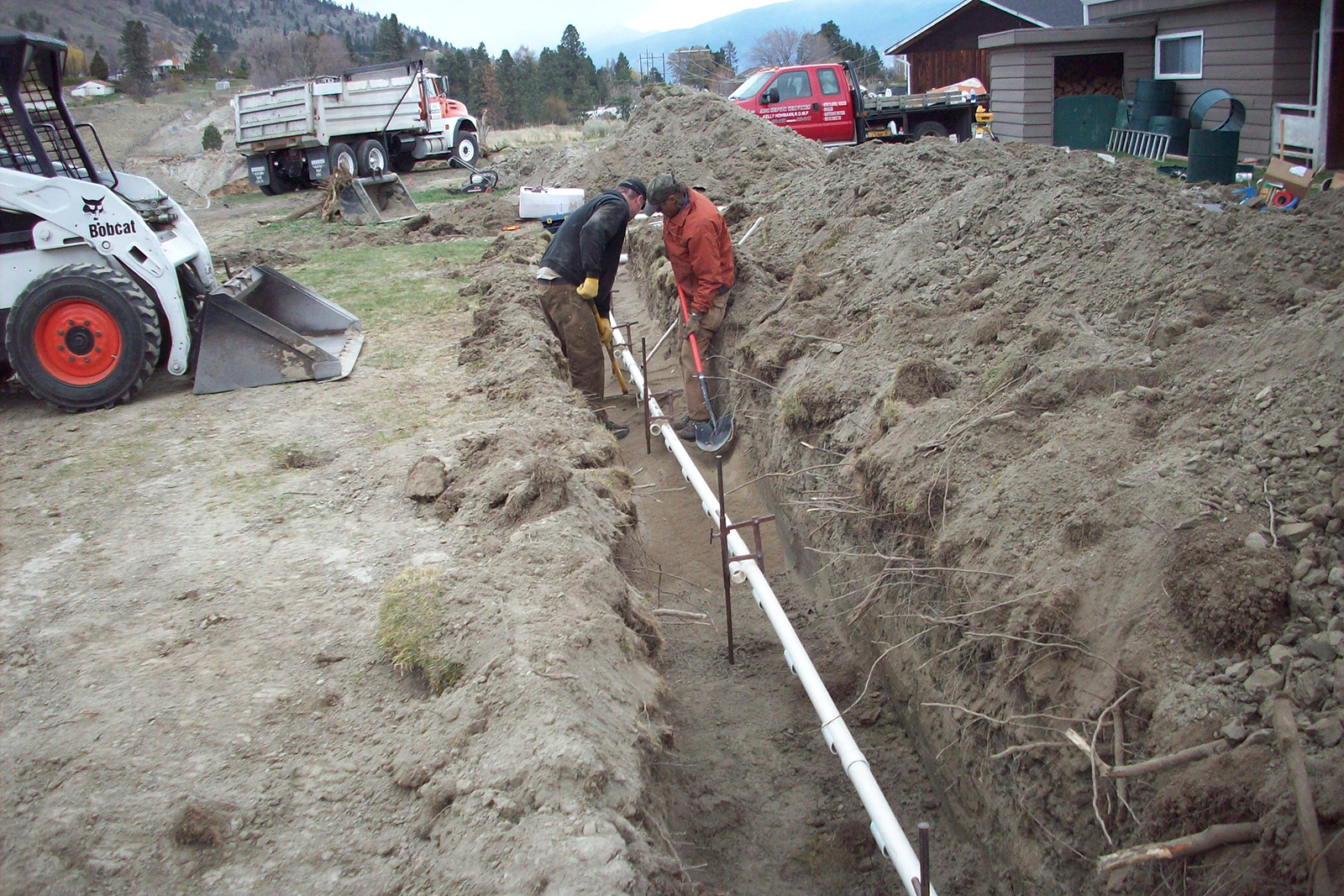
The expense of installing a septic field and tank will depend on a number of variables. The size of the septic system is among the most important factors to think about. Costs will increase for large houses and homes. In addition, soil conditions and the topography of the area may affect the complexity of the installation process and also the cost. If the soil is hard to access, it might require more excavation or special treatments. This can result in higher costs.
Another factor that affects the costs of septic systems is the kind of septic tank and leach field systems that are selected. Prices can vary based on materials and designs. Concrete tanks are more affordable than other alternatives for example, fiberglass or plastic tanks. Advanced treatment methods and environmentally sustainable alternatives may be more expensive, yet they offer benefits like improved treatment of wastewater or greater water conservation.
While the initial cost of constructing a leach field and septic tanks is an expensive financial investment, you must be aware of the long-term costs associated with maintenance and replacement. The life span of a septic tank is between 25 and 30 years based on the factors like usage and maintenance, the materials used and so on. In time, the tank may require repairs or replacement. When calculating the price to replace the tank, it’s essential to consider not only the tank but also the labor and any upgrades required to meet current rules.
The cost of replacing the septic can differ depending on the dimensions and types of the tank that is being replaced as well as the complexity of the installation process. In certain instances it might be necessary to dig up the old tank, dispose of it properly and prepare the location for the installation. In addition, if the regulations have changed between the original installation and now, you may incur additional charges to bring your new septic in line with the latest regulations.
It is crucial to maintain your septic tank by having it inspected on a regular basis. This will help you avoid unexpected costs and ensure that the replacement process goes smoothly. Regular inspections allow you to identify any potential issues and to make prompt repairs, extending the life of your septic tank. The tank must be pumped frequently to prevent the accumulation of solids as well as damage.
When you’re considering septic system installation or replacement, it’s advisable to obtain estimates from several reliable contractors. You can compare these estimates to be able to determine what the typical costs are in your local area. This will allow you to make a more informed decision. Be sure to inquire whether there are any warranties offered by the contractor for their work or the materials employed.
It is important homeowners and property owners to be aware of the price of a septic tank and the total septic system. Be aware of factors like the size of your septic tank, the type of materials you use, soil conditions and any potential costs in the future when planning for the construction of a new septic field or tank. To make sure your septic lasts the longest possible time and save you money in the future there is a need for regular maintenance, inspections and treatment. Remember, investing in a functioning septic system ensures that your wastewater is properly managed, but can also improve the overall functionality and value of your property.