
In the vast array of industry the titanium dioxide compound, referred to as TiO2, titanium white also known as Pigment White 6 (PW6), emerges as a shining star, specifically in the field of paints, plastics and paper and rubber. This versatile compound is well-known for its stunning white color. It plays an essential part in the transformation of raw materials into stunning, polished products. The following article will discuss the marvels and uses of titanium oxide, as well as its production process, and how it affects different industries.
The Canvas of Titanium Dioxide: A Palette of Possibilities
Titanium dioxide is a crucial ingredient in many products. It helps to improve the beauty and function of products that we use daily. Pigment White 6 is used to create paints. It provides a bright and opaque white that enhances the vibrancy of industrial and artistic applications.
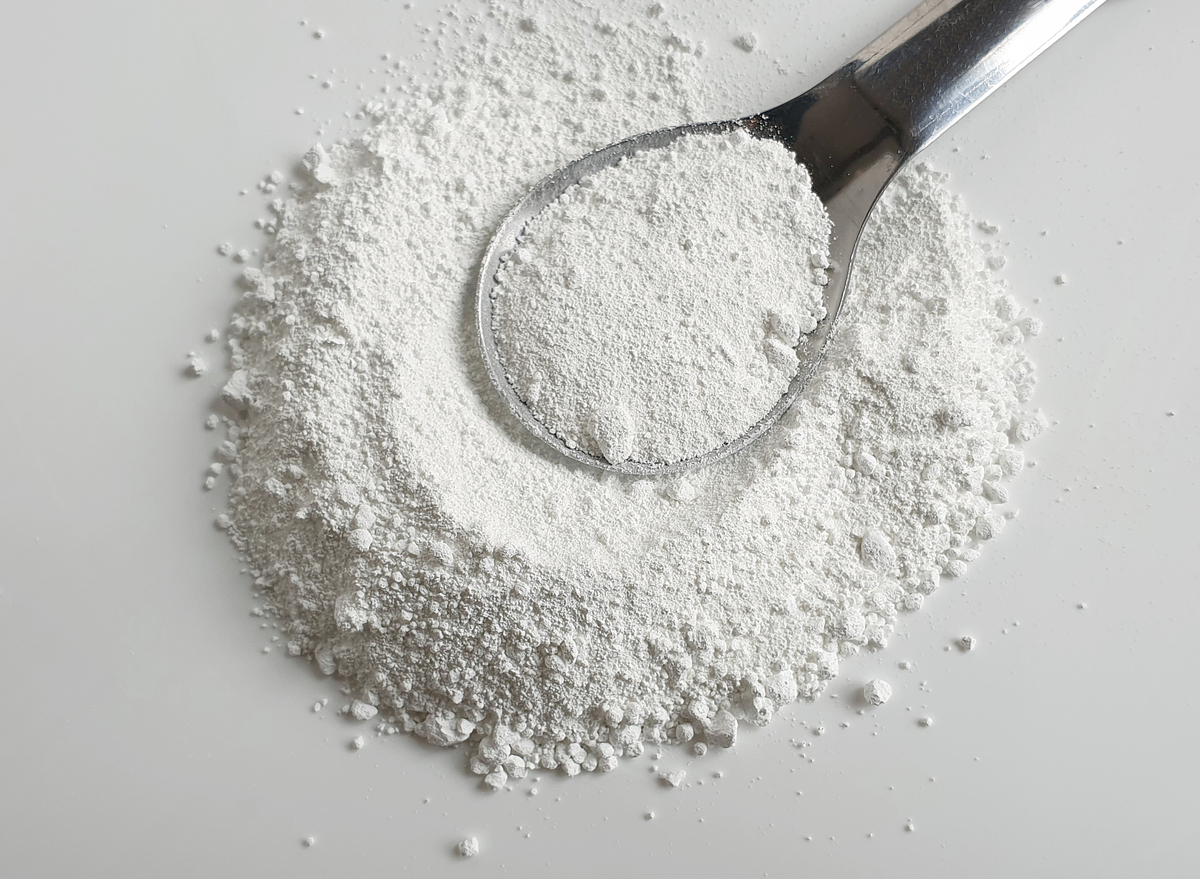
In the plastic sector, titanium dioxide gives not just color, but also acts as a UV stabilizer providing protection against the harmful consequences of ultraviolet radiation. This dual purpose makes titanium dioxide a vital component of numerous plastic products. They range from tough outdoor objects to packaging materials.
The Manufacturing Alchemy of Titanium Dioxide Production Processes
The process of producing titanium dioxide involves intricate processes that require a lot of expertise, with two methods leading the way using sulfuric acid and the chlorination method. Each method has distinct applications and intricacies that contribute to the versatility that titanium dioxide is utilized for across different industries.
Sulfuric Acid Method. This involves the reaction of the ore that contains titanium with sulfuric acids producing a titanium-sulfate. The solution is hydrolyzed, resulting in the titanium oxide that is hydrated. The final product, after calcination, is an extremely fine white powder which is ready to be integrated into diverse applications, including the paper and paint industries.
The process of chlorination: By contrast, the chlorine method uses chlorine gas to react with titanium-bearing minerals, creating titanium Tetrachloride. Following a series of chemical reactions, titanium tetrachloride can be converted to pure titanium oxide. This method is prominent in the production of titanium dioxide for the plastics and rubber industries.
Titanium Dioxide Applications: Art and Science
Painting Brilliance Across Industries: Titanium dioxide’s prominence in the paint industry is unparalleled. Its capability to create a bright white color with excellent coverage and durability makes it a popular option for homeowners, artists as well as industrial applications. The brightness it gives the canvas isn’t just visually appealing, but also practical, increasing the lifespan of painted surfaces.
Titanium dioxide is used in plastics to create a luminous finish. Beyond its role as a white colorant, it is also a UV stabilizer, offering important protection against the degrading effects of sunlight. It is used in outdoor plastic products to ensure their durability and appearance.
Opacity and whiteness of paper The paper industry, titanium dioxide contributes to the whiteness and opacity of the paper products. It also increases the quality of the paper and makes printed content more vibrant and more readable. The application of titanium dioxide in the production of paper extends beyond aesthetics, and plays a vital role in improving the overall quality of printed papers.
The rubber’s resilience and UV resistance The industry of rubber benefits from the UV resistance provided by titanium dioxide. Titanium dioxide helps protect rubber-based products from harmful effects of UV radiation.
Titanium Dioxide: Beyond Pigment and its Invisible Impact
While the impact of titanium dioxide is evident as a colorant it goes far beyond the visible coloration. Due to its ability to increase the durability, resistance, and longevity in different industries The compound is an invisible yet indispensable factor in the quality and efficiency of materials.
In conclusion titanium dioxide emerges as an important substance, seamlessly integrating into a variety of industries. Pigment White 6 is a pigment that can add glamor to all types of canvases and styles, whether industrial or artistic. Dual processes of sulfuric and chlorination reveal the alchemy of its creation. The harmonious blend of science and art manufacturing is apparent when titanium dioxide enhances the appearance of paper, improves paints’ visual appeal, strengthens plastics against UV rays or protects rubber. The brilliance it imparts illuminates the everyday, creating the world of goods with an enduring impact and radiant radiance.