
The technological landscape, especially when it comes to remote work, has changed significantly in the past few years. The increasing use of remote work has presented a challenge to organizations that must equip their dispersed workers with the latest technologies. PC as a Service and Hardware as a Service are two options that have been designed to meet the growing demands.
The rise of PC as a Service
PCaaS is a well-known leasing model used in the world of tech and it’s often combined with lifecycle services. This revolutionary solution takes businesses of the burdensome task that typically involves purchasing the equipment, configuring it, shipping, and managing PCs.
PCaaS is essentially simplifies IT processes and makes it simpler for organizations to provide employees with the necessary tools, especially as digital technology continues to advance rapidly. This leasing model addresses not only the requirements for hardware but also the management of lifecycles. It makes sure that technology is updated and efficient.
Automating Onboarding using PCaaS
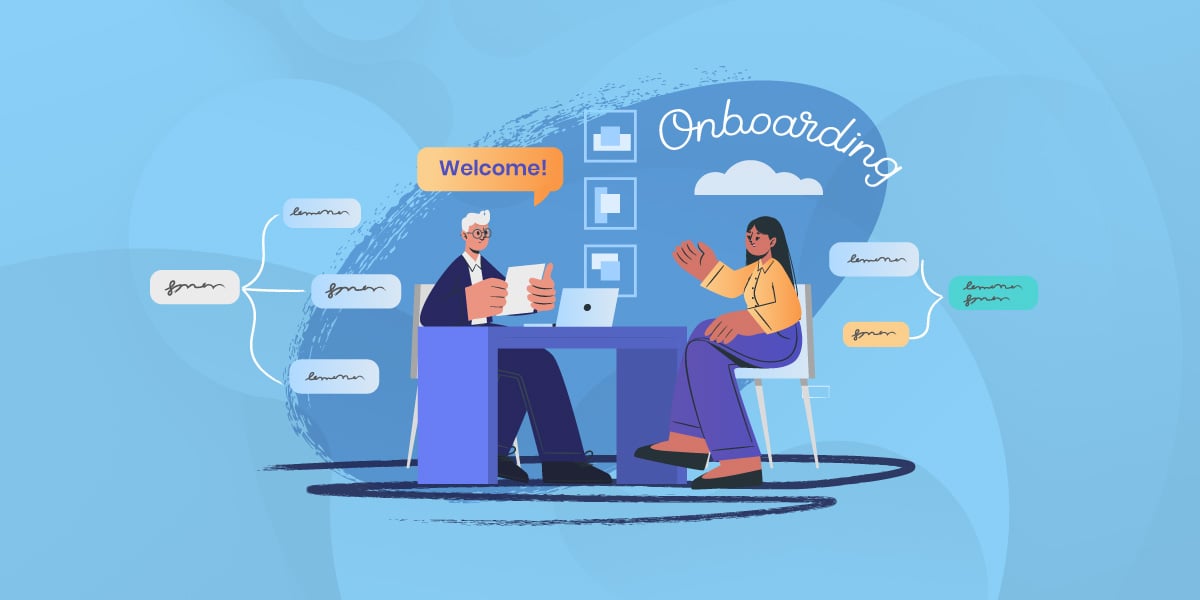
PCaaS offers the opportunity to automate and simplify onboarding of new employees. The process of onboarding new employees used to be a lengthy and tedious procedure. PCaaS can cut down the amount time and effort required for onboarding by providing tools that are already configured and ready to use.
PCaaS rely on automation to help companies manage the lifecycle of their equipment. This can lead to increased performance, allowing IT departments to concentrate on strategic goals and spend less time on mundane setup tasks.
PCaaS vs. HaaS: Understanding the differences
While PCaaS and HaaS may seem interchangeable, they do have distinctions. PCaaS encompasses a broader range of services that include software, support, and lifecycle management, as well as the hardware lease. HaaS is, on the contrary the other hand, is mostly a leasing of hardware. It can also encompass services as well but it isn’t as extensive as PCaaS.
PCaaS is a service which goes beyond the concept of leasing hardware. This holistic approach responds to modern businesses’ evolving requirements. It’s a way of thinking of reducing IT and reducing costs, while improving employee satisfaction.
The Effects of Business Efficiency
PCaaS is transforming on efficiency and productivity, particularly for companies with large workforces. Traditional methods for maintaining and updating equipment can be time-consuming and resource-intensive. PCaaS takes the burden off internal IT services by offering a structured method of controlling the lifecycle of equipment.
PCaaS can help organizations streamline their processes, increase efficiency, and reduce operational complexity. The time and money saved can be redirected towards strategic initiatives that will drive expansion and creativity.
Uncovering the Hidden Complications: Selecting the right PCaaS
PCaaS is a service that has many advantages However, not all PCaaS providers are created equal. Companies must carefully consider and choose a PCaaS company which is in line with their requirements. There are hidden complexities that can arise from service level agreements and support, software integrations, and overall cost.
A thorough understanding of terms and conditions, as well as the quality of services offered in the PCaaS package, is critical. It is a way to ensure that the PCaaS provider meets the requirements of the business and contributes positively to the company’s operations.
Final Thoughts: Embracing efficiency using PCaaS and HaaS
Adopting innovative services like PCaaS, HaaS, and other solutions in an ever-changing technology landscape is an effective decision for businesses. PCaaS is an excellent solution to manage hardware and software, automate onboarding, and improve the efficiency of an organisation.
HaaS is an option that is focused on hardware and not PCaaS. It is important for organizations to carefully consider their requirements and choose the solution that is most compatible with their objectives and goals.
In this digital age where speed and agility are essential, adopting PCaaS or HaaS can pave the way to an efficient and more efficient future. These services not only provide the required technological tools, but also free valuable time and resources which allows businesses to concentrate on what matters most – growth, innovation, and success.