
A strong WiFi signal is essential for efficiency and seamless connectivity in today’s world of digital. The optimal placement of wireless access points (WAP) is a key component in achieving seamless connectivity and high productivity. It is crucial to position your WAP in a position that enhances WiFi signal strength and stability. Let’s look at the significance of WAP devices and how to select the best home access point to ensure optimal wireless connectivity.
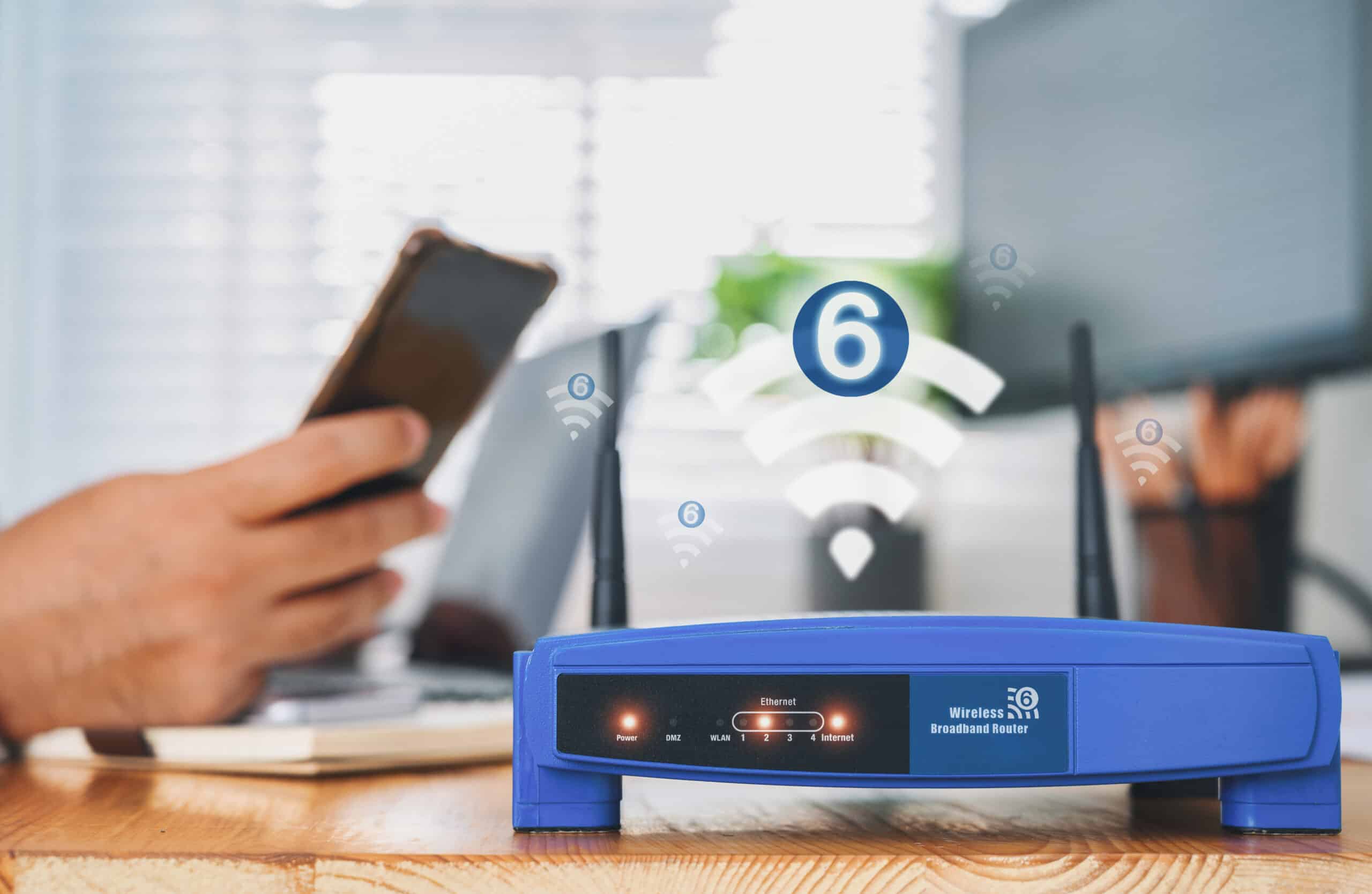
Wap Wireless Access Points are essential networking devices that allow wireless-enabled devices to connect to wired networks by using WiFi and similar standards. It’s a vital device that can help you extend the reach of your wireless network, and eliminate the need for massive wires. WAPs WAP receives the data of a router using an Ethernet cable and then converts the information into radio signals. This signal can be picked up by WAP devices, providing them with access to the network.
The Effects of WAP Placement
A WAP has to be carefully situated to ensure a stable and reliable WiFi network in your region. The location of the WAP impacts the range, performance, and signal strength of your WiFi network. Putting the WAP in the optimal position helps to reduce interference, enhancing coverage, and improving the connectivity experience for users.
The factors that influence the strength of WAP signal
Several factors can affect the signal that a WAP transmits to devices. The most important ones are:
Signal Strength: The potency of the signal that is transmitted by the WAP.
Range: Distance over which WAP is able to send a strong steady signal.
Interference: Obstacles or devices that could interfere with the signal of WiFi.
The Most Efficacious Home Access Point
It is vital to choose the right WiFi at either your home or office for the best performance on WiFi. Here are some factors to consider when selecting the most suitable WiFi access point for your home:
Signal Strength and Range: Search for a WAP that offers a strong signal and an extensive coverage range. This will ensure that the WiFi signal can be accessed anywhere you’d like without dead spots.
Select a WAP which features technologies to manage interference. It can be tri-band, dual-band, or other capabilities which allow you to use WiFi channels with high traffic.
Easy Setup and Configuration: Select a WAP with a easy configuration and set-up. Installation procedures that are simple and easy to use reduce time and effort.
Security Features: Prioritize WAPs with robust security features, including encryption protocols and security settings. This safeguards your network’s information and assists in securing it.
Scalability: Ensure that the WAP has the capacity to accommodate the number of devices will be connected. A WAP that grows with the demands of your network and is a long-term investment.
Optimising WAP placement for maximum performance
Central Location: Position the WAP at a central point to ensure an even distribution of the WiFi signal in your space. This reduces dead zones while ensuring a constant connection across your premises.
The WAP can be mounted on a higher level like the ceiling or wall. This can help broadcast the signal more efficiently in addition to improving coverage. minimize obstructions.
Beware of Interference: Keep WAP clear of items or substances that could interfere, such as microwaves, cordless phones, or metal structures. This will help ensure the integrity and purity of the WiFi signal.
Professional Assessment: You may want to consult with IT experts who can perform an in-depth evaluation of your specific area. They will be able to identify the best WAP locations based on particular specifications.
Conclusion
In the age of changing technology, having an effective WiFi connection is a must. Wireless Access Points (WAPs) play a vital role in ensuring this by extending your network’s reach and providing a reliable WiFi signal. The highest performance in WiFi is accomplished by putting your WAP in the right place, as well as selecting the correct WiFi access point.
It’s worth investing the time and effort to analyze the area you have and understanding the factors that affect the strength of WAP signals and evaluating the most important aspects of WAPs. The art of positioning WAPs will allow you to fully utilize the power of your WiFi and ensure uninterrupted connectivity.